
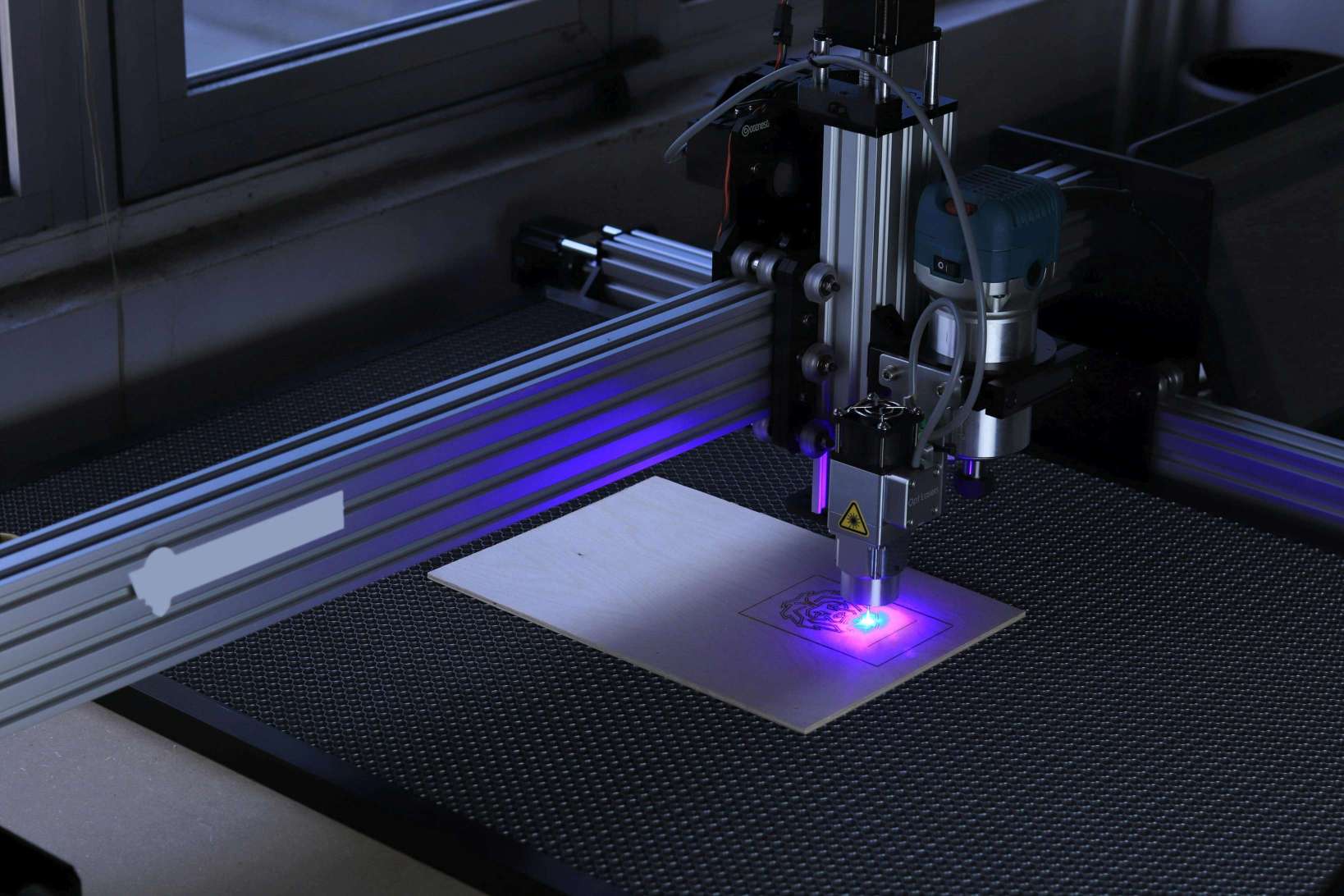
Digital Fabrication: Crafting the Future One Layer at a Time
5 min read
27 Aug 2025
 By Lewis Adam
Digital fabrication, leveraging technologies like 3D printing and CNC machining, is reshaping manufacturing by enabling precise, customizable production processes. This article explores the principles of digital fabrication, its applications across industries, and its potential to drive innovation and efficiency in manufacturing.
Principles of Digital Fabrication
Additive Manufacturing: Building objects layer by layer using materials such as plastics, metals, ceramics, and composites, guided by digital designs or CAD models.
Subtractive Manufacturing: Carving or cutting materials to shape using computer-controlled tools like CNC machines, removing excess material to create finished products.
Hybrid Approaches: Combining additive and subtractive processes to leverage the strengths of both techniques for complex geometries and precise finishes.
Digital Design and Simulation: Using advanced software for design optimization, virtual prototyping, and simulation to refine product concepts before physical production.
Applications Across Industries
Prototyping and Rapid Tooling: Streamlining product development cycles by producing prototypes and tooling quickly and cost-effectively.
Customization and Personalization: Offering tailored solutions in healthcare (e.g., prosthetics), consumer goods (e.g., personalized products), and automotive (e.g., customized parts).
Complex Geometry: Creating intricate designs and structures that are challenging or impossible to achieve with traditional manufacturing methods.
On-Demand Production: Enabling localized manufacturing and reducing reliance on centralized supply chains through digital fabrication technologies.
Impact on Manufacturing and Innovation
Agility and Flexibility: Enhancing agility in responding to market demands, changing customer preferences, and design iterations.
Sustainability: Minimizing material waste and energy consumption compared to conventional manufacturing techniques.
Cost Efficiency: Optimizing production costs through reduced tooling expenses, less material waste, and streamlined logistics.
Industry 4.0 Integration: Supporting the transition to smart factories and digital transformation initiatives with interconnected, data-driven manufacturing processes.
Challenges and Considerations
Material Selection: Addressing limitations in material properties, durability, and performance for specific applications and industry standards.
Quality Assurance: Ensuring consistency and reliability of fabricated parts through rigorous testing, inspection, and certification processes.
Workforce Skills: Developing digital literacy and technical skills among manufacturing professionals to effectively operate and maintain digital fabrication technologies.
Future Outlook
Digital fabrication is poised to redefine manufacturing paradigms with ongoing advancements in materials science, software capabilities, and automation. As industries embrace these technologies, digital fabrication will continue to drive innovation, efficiency, and sustainability in the global manufacturing landscape.
More Articles

Governments and Blockchain: Embracing Innovation for Public Good
6 min read | 19 Sep 2025

Blockchain for Developers: Unveiling the Building Blocks of a New Era
7 min read | 18 Sep 2025

Investors Take Note: The Potential of Blockchain Investments
6 min read | 17 Sep 2025

Blockchain for Entrepreneurs: Building the Future of Business
5 min read | 16 Sep 2025
More Articles
Deep Learning: Advancements and Applications in AI
4 min read | 07 Aug 2025

AI in Business: Transforming Industries with Data-driven Insights
5 min read | 06 Aug 2025

Ethical Considerations in AI Development: Privacy and Bias
3 min read | 05 Aug 2025

Machine Learning Algorithms: Understanding the Basics
5 min read | 04 Aug 2025