
Enhancing Real Estate: The Role of AR and VR in Property Visualization
4 min read
15 Sep 2025
 By Aditi Sharma
In recent years, augmented reality (AR) and virtual reality (VR) have revolutionized the real estate industry by transforming the way properties are visualized and experienced. These immersive technologies offer innovative solutions for both buyers and sellers, enhancing the property viewing process and revolutionizing the way real estate is marketed and sold.
AR and VR technologies provide potential buyers with interactive and realistic experiences that go beyond traditional property listings and photographs. With AR applications, prospective buyers can use their smartphones or tablets to visualize properties in the real world. For example, they can virtually furnish a room, change wall colors, or even see how renovations would look before making a purchase decision.
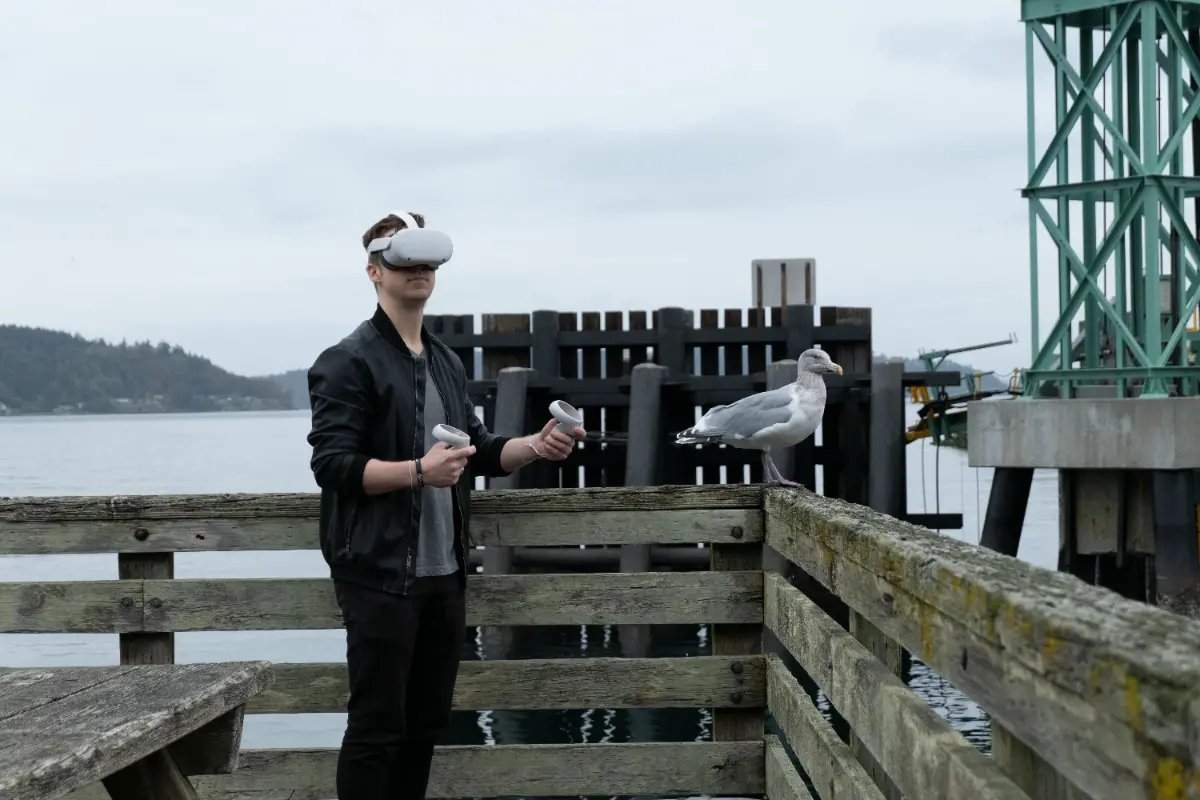
On the other hand, VR takes property visualization to the next level by offering fully immersive experiences. Through VR headsets, buyers can take virtual tours of properties from the comfort of their own homes. They can walk through rooms, explore outdoor spaces, and get a true sense of the property's layout and design without physically being there. This not only saves time and resources but also widens the reach of property listings by catering to remote buyers.
From a seller's perspective, AR and VR technologies enable more effective property marketing. By creating immersive virtual tours and interactive AR experiences, sellers can showcase their properties in a compelling and engaging way, attracting more potential buyers and increasing the likelihood of a successful sale. These technologies also allow sellers to highlight key features and amenities of the property, helping it stand out in a competitive market.
Moreover, AR and VR can streamline the pre-construction and development phases of real estate projects. Developers can use these technologies to create virtual models of properties, allowing stakeholders to visualize and interact with the designs before construction begins. This not only helps in identifying potential issues early on but also facilitates better decision-making and collaboration among project teams.
Another significant advantage of AR and VR in real estate is their ability to offer personalized experiences. Buyers can customize virtual tours based on their preferences, focusing on areas of interest and exploring different design options. This level of personalization enhances the overall buying experience and empowers buyers to make informed decisions.
In addition to enhancing property visualization, AR and VR technologies also play a crucial role in property education and training. Real estate agents and professionals can use VR simulations to familiarize themselves with properties, practice virtual walkthroughs, and improve their presentation skills. This immersive training can lead to more effective client interactions and ultimately contribute to higher sales performance.
As AR and VR continue to evolve, their impact on the real estate industry is expected to grow exponentially. From virtual staging and 3D modeling to interactive property tours and remote viewing experiences, these technologies offer endless possibilities for enhancing the way properties are marketed, sold, and experienced. As a result, forward-thinking real estate professionals are increasingly embracing AR and VR as essential tools in their marketing and sales strategies.
In conclusion, AR and VR technologies are transforming the real estate landscape, providing innovative solutions for property visualization, marketing, and sales. By offering immersive and interactive experiences, these technologies are revolutionizing the way properties are showcased and experienced by buyers and sellers alike. As the adoption of AR and VR continues to rise, the future of real estate is set to become even more immersive, personalized, and accessible.
More Articles

The Challenges of Scaling Blockchain Technology: Solutions and Innovations
6 min read | 21 Oct 2025

Exploring the Intersection of Blockchain and Artificial Intelligence
5 min read | 20 Oct 2025

How Blockchain is Shaping the Future of Voting Systems and Electoral Integrity
5 min read | 19 Oct 2025

The Role of Blockchain in Sustainable and Green Technologies
6 min read | 18 Oct 2025
More Articles

Space Mining: The Next Gold Rush is in the Stars
7 min read | 26 Sep 2025

Space Tourism: Are You Ready for Your Trip to Space?
7 min read | 25 Sep 2025

Exoplanet Exploration: Discovering New Worlds Beyond Our Solar System
4 min read | 24 Sep 2025

Astrobiology: The Science Searching for Extraterrestrial Life
5 min read | 23 Sep 2025