
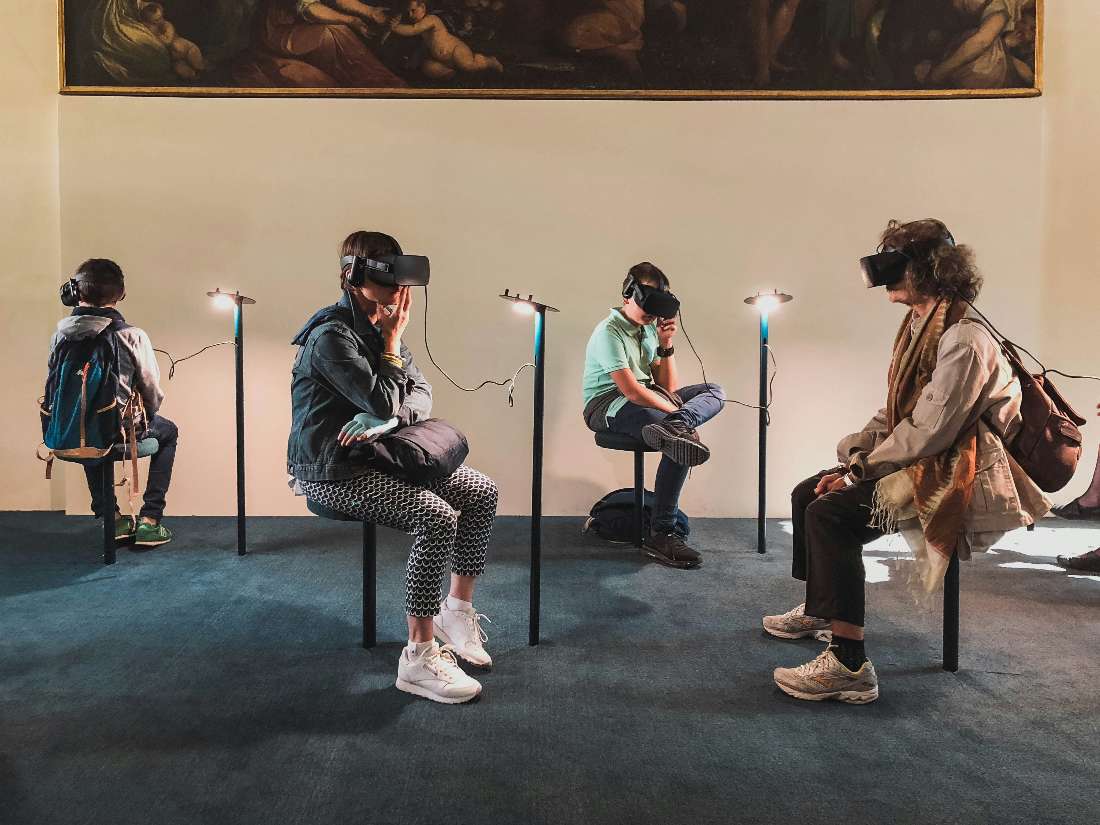
Haptic Technology: Touch Feedback in Virtual Environments
5 min read
01 Oct 2025
 By Neha Jain
Haptic technology revolutionizes virtual experiences by providing tactile feedback, allowing users to feel and interact with digital environments as if they were physical. By integrating sensors, actuators, and algorithms, haptic systems simulate textures, forces, and vibrations, enhancing immersion and realism in virtual reality (VR), augmented reality (AR), and remote control applications.
Understanding Haptic Technology
Haptic technology enables users to perceive tactile sensations through force, vibration, and motion feedback. In VR and AR environments, haptic feedback enhances interaction by simulating the feel of objects and surfaces, improving spatial awareness and user engagement.
Applications in Virtual Reality and Beyond
In VR gaming, haptic vests and gloves enhance gameplay by conveying sensations like impacts, textures, and environmental conditions. In medical training, haptic simulators replicate surgical procedures and patient interactions, offering realistic training experiences for healthcare professionals.
Technological Innovations
Advancements in haptic actuators, materials, and sensory algorithms improve the fidelity and responsiveness of haptic feedback systems. Innovations such as variable friction surfaces, multi-point feedback, and personalized tactile profiles enhance user experiences across different applications.
Challenges and Considerations
Implementing effective haptic feedback faces challenges such as latency, power consumption, and the complexity of simulating diverse tactile sensations. Overcoming these challenges requires interdisciplinary research in materials science, mechanical engineering, and human-computer interaction to develop more intuitive and realistic haptic interfaces.
Future Directions
Looking ahead, haptic technology is poised to advance with innovations in wearable haptics, neurohaptics for direct neural stimulation, and adaptive feedback systems. Future applications may include telepresence with realistic touch, virtual shopping experiences, and rehabilitation therapies.
Ethical and Social Implications
As haptic technology evolves, ethical considerations include accessibility for users with disabilities, privacy implications of biometric data collection, and equitable access to immersive experiences. Addressing these concerns requires inclusive design practices and ethical guidelines to ensure haptic technologies benefit society responsibly.
Conclusion
In conclusion, haptic technology transforms virtual environments by bridging the gap between digital interactions and physical sensations. As research and development continue, the potential for haptic feedback to redefine human-computer interaction, training simulations, and entertainment experiences grows, paving the way for more immersive and engaging virtual worlds.
Haptic technology represents not just a technological enhancement but a fundamental shift in how users perceive and interact with digital content, enhancing realism and engagement in virtual and augmented realities.
More Articles

Blockchain and AI: The Unlikely Partnership That’s Disrupting Every Industry!
6 min read | 24 Oct 2025

The Shocking Truth About How VR Is Changing the Face of AI Development!
7 min read | 23 Oct 2025

How AI-Powered AR is Making Sci-Fi Gadgets a Reality – You Won’t Believe It!
6 min read | 22 Oct 2025

The Secret Tech That Will Make Your Blockchain Transactions Lightning Fast – Find Out Now!
5 min read | 21 Oct 2025
More Articles

Tech Startups: Innovation and Disruption in the Digital Age
3 min read | 20 Oct 2025

The Role of Big Data in Shaping Modern Businesses
3 min read | 19 Oct 2025

Augmented Reality (AR) in Retail: Enhancing Customer Experience
3 min read | 18 Oct 2025

E-commerce Evolution: The Role of AI and Big Data
6 min read | 17 Oct 2025