
Robotic Process Automation: Transforming Business Workflows
5 min read
06 Oct 2025
 By Sayan Gosh
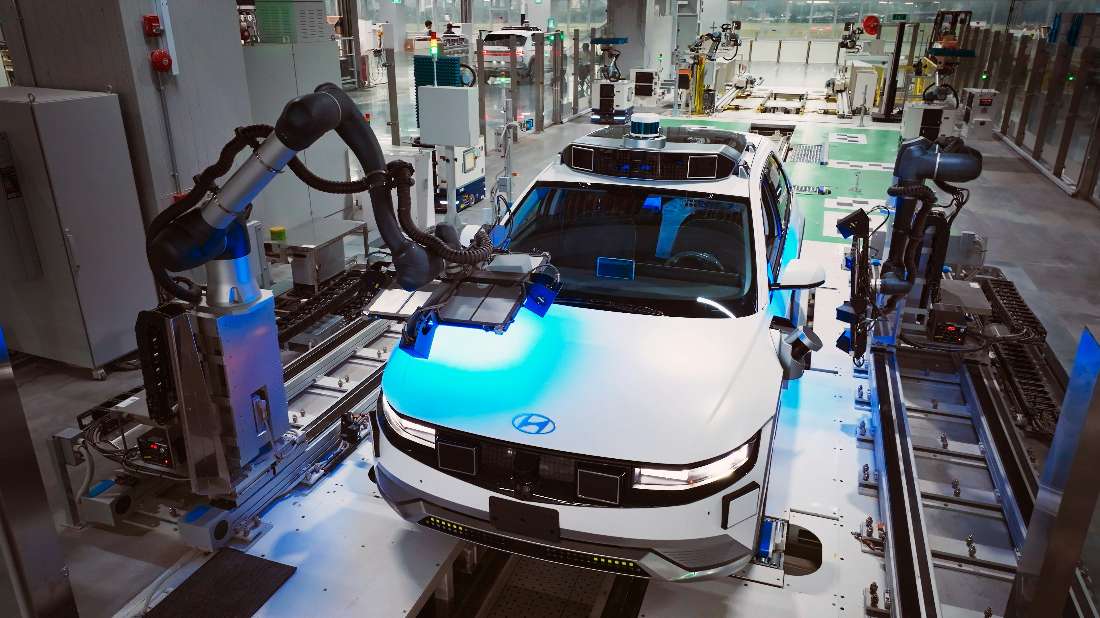
Robotic Process Automation (RPA) is reshaping business workflows by automating repetitive tasks and streamlining operations across industries. RPA software robots, or "bots," mimic human actions to interact with digital systems, execute tasks, and process data with speed, accuracy, and consistency, enabling organizations to enhance efficiency, reduce costs, and focus human resources on value-added activities.
Advancements in RPA technology include cognitive automation capabilities, machine learning algorithms for decision-making, and natural language processing for handling unstructured data. These technologies empower RPA bots to perform complex tasks such as data entry, invoice processing, customer service inquiries, and IT support, improving operational agility and scalability for businesses.
Applications of RPA span across various business functions, including finance, human resources, supply chain management, and customer relationship management. In finance, RPA automates account reconciliation, financial reporting, and compliance audits, reducing errors and accelerating financial close processes. In HR, RPA streamlines employee onboarding, payroll processing, and performance management tasks, enhancing workforce productivity and satisfaction.
Integration of RPA with existing IT systems involves seamless deployment of bots through APIs and integration platforms, ensuring compatibility with enterprise applications and data security protocols. RPA implementations also emphasize governance frameworks, compliance with regulatory standards, and continuous monitoring to mitigate risks and ensure operational reliability.
Challenges in adopting RPA include selecting suitable processes for automation, managing bot scalability, and addressing workforce concerns about job displacement or skill shifts. Overcoming these challenges requires strategic planning, stakeholder engagement, and upskilling employees to collaborate effectively with RPA technologies.
Future trends in RPA focus on intelligent automation, where RPA bots interact with AI systems, analyze unstructured data, and make autonomous decisions. Advancements may include robotic orchestration for coordinating workflows across multiple bots and adaptive RPA for self-learning and process optimization.
Ethical considerations in RPA adoption encompass data privacy, transparency in automated decision-making, and socio-economic impacts on employment dynamics. Addressing these concerns involves ethical guidelines, stakeholder dialogue, and responsible deployment of RPA technologies to uphold fairness and accountability in business operations.
In conclusion, RPA represents a transformative approach to business process management, enabling organizations to achieve greater operational efficiency, agility, and innovation. By leveraging RPA's capabilities, businesses can navigate complex challenges, capitalize on digital opportunities, and drive sustainable growth in a rapidly evolving marketplace.
RPA is not just a tool for automation but a strategic enabler of business transformation, empowering enterprises to thrive in the era of digital disruption.
More Articles

The Future of Home Living: Exploring the Latest Smart Technologies
5 min read | 21 Sep 2025

Google's Game-Changers: The Hottest Tech Products Taking the World by Storm
5 min read | 20 Sep 2025

Apple's Innovation Wave: A Deep Dive into the Latest Tech Products
4 min read | 19 Sep 2025

Unveiling the Future: Exploring the Latest Breakthroughs in Tech and Science
5 min read | 18 Sep 2025
More Articles

AI and Blockchain: The Surprising Ways They’re Set to Transform the Tech World in 2024!
6 min read | 19 Oct 2025

How Blockchain Could Revolutionize VR Gaming – The Game-Changing Innovation You Need to Know About!
5 min read | 18 Oct 2025

The Future of Tech Revealed: How AR and AI Will Transform Your Daily Life!
7 min read | 17 Oct 2025

Why VR Is the Ultimate Game-Changer for Blockchain’s Future – Don’t Miss Out!
5 min read | 25 Oct 2025