

Smart Infrastructure: Enhancing Urban Resilience with Technology
5 min read
20 Jul 2025
 By Sayan Gosh
Smart infrastructure integrates advanced technologies to enhance urban resilience, sustainability, and efficiency, addressing modern challenges and improving quality of life.
IoT and Sensor Networks
IoT-enabled sensors collect real-time data on traffic flow, air quality, energy consumption, and infrastructure conditions, enabling proactive maintenance and optimized resource management.
Smart Grid and Energy Management
Smart grids monitor and manage energy distribution efficiently, integrating renewable energy sources, storage systems, and demand-response mechanisms to enhance grid reliability and sustainability.
Connected Transportation Systems
Connected vehicles, smart traffic lights, and predictive analytics optimize traffic flow, reduce congestion, and improve commuter safety through real-time data sharing and adaptive control systems.
Resilient Water Management
Smart water grids monitor water quality, detect leaks, and manage distribution networks effectively, ensuring reliable access to clean water while conserving resources and mitigating environmental risks.
Urban Planning and Digital Twins
Digital twins simulate urban environments, infrastructure performance, and scenarios for informed decision-making, supporting sustainable development, disaster preparedness, and infrastructure resilience.
Cybersecurity and Data Privacy
Robust cybersecurity measures protect smart infrastructure from cyber threats, ensuring data integrity, privacy compliance, and secure operations of interconnected systems and IoT devices.
Community Engagement and Stakeholder Collaboration
Engaging citizens, businesses, and stakeholders in smart city initiatives fosters transparency, inclusivity, and co-creation of urban solutions that address local needs and enhance social resilience.
Challenges and Future Directions
Overcoming challenges such as interoperability, scalability, funding constraints, and regulatory frameworks will drive innovation in smart infrastructure, shaping future urban resilience strategies.
Conclusion
In conclusion, smart infrastructure empowers cities to build resilience, achieve sustainability goals, and enhance quality of life through technology-driven solutions that optimize resources, improve services, and prepare for future challenges.
More Articles

Oracles in Blockchain: Bridging the Gap Between Smart Contracts and Real-World Data
5 min read | 22 Aug 2025

Stablecoins: The Promise of Stability in Volatile Cryptocurrency Markets
2 min read | 21 Aug 2025

Initial Coin Offerings (ICOs): Fundraising in the Age of Cryptocurrency
4 min read | 20 Aug 2025

Double Spending: The Challenge and Solution in Blockchain Technology
3 min read | 19 Aug 2025
More Articles

Can Blockchain Power a More Democratic Future?
7 min read | 12 Sep 2025
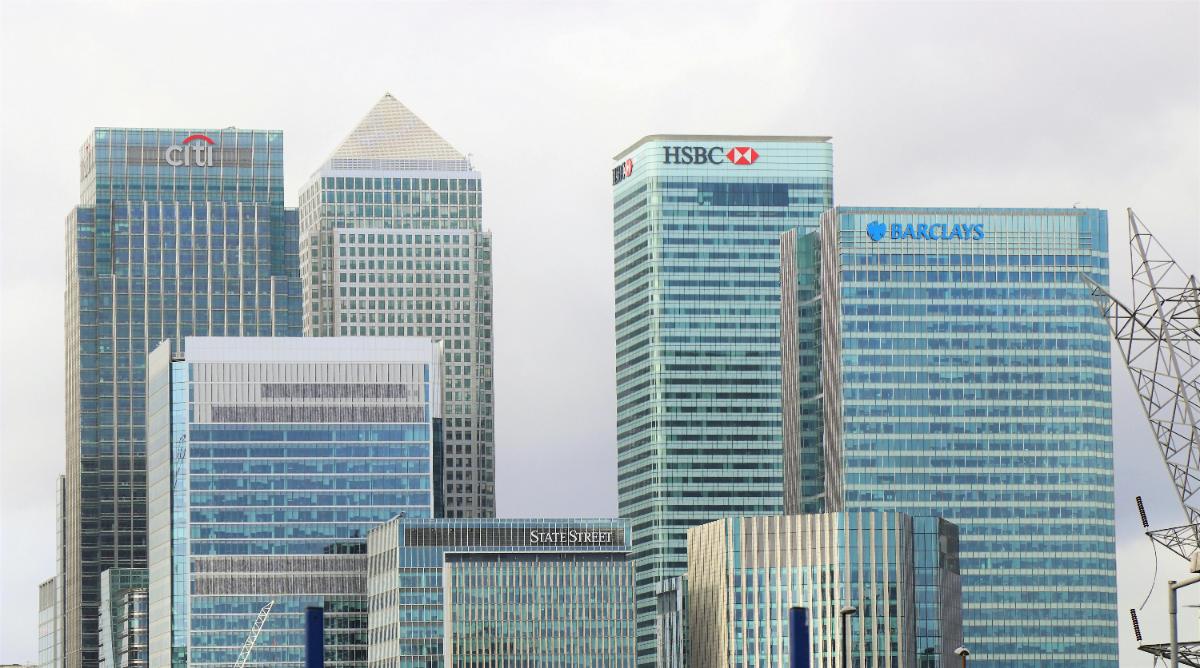
Will Blockchain Make Banks Obsolete?
7 min read | 11 Sep 2025

Blockchain for Social Impact: Solving Global Challenges with Distributed Ledgers
5 min read | 10 Sep 2025

DAOs: Redefining Governance with Decentralized Autonomous Organizations
7 min read | 09 Sep 2025