
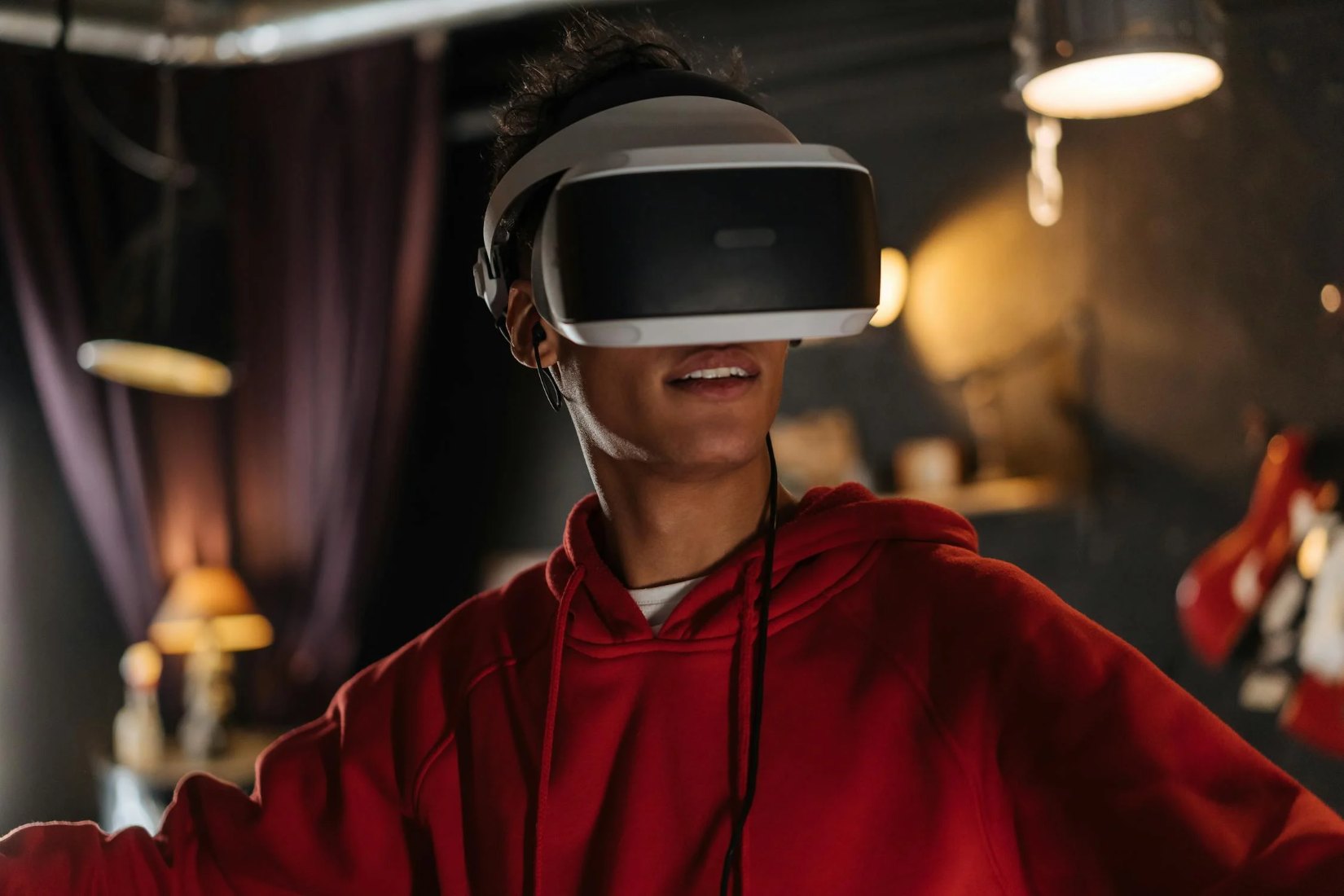
The Ethics of VR: Exploring the Psychological Impact of Virtual Realities
7 min read
19 Oct 2025
 By Prince Matthews
Virtual Reality (VR) technology offers immersive experiences that can deeply affect users' psychological and emotional states. As VR becomes more prevalent in various applications, from entertainment to education and therapy, it is essential to explore the ethical considerations and psychological impacts of virtual realities. Understanding these aspects helps ensure that VR is used responsibly and benefits users in positive ways.
One major ethical concern in VR is the potential for psychological effects. Immersive VR experiences can create a strong sense of presence, making virtual environments feel very real to users. This can lead to intense emotional responses, both positive and negative. For example, VR therapy is used to treat conditions such as PTSD and phobias by exposing patients to controlled virtual environments. While this can be beneficial, there is a risk that overly immersive or poorly designed VR experiences could inadvertently trigger negative psychological reactions or exacerbate existing conditions.
Another ethical consideration is the potential for VR to impact users' perception of reality. Extended exposure to virtual environments may blur the lines between the real world and virtual experiences, affecting how users interact with their physical surroundings. This phenomenon, known as "presence," can lead to challenges in maintaining a balanced perspective and understanding the distinction between virtual and real-world experiences. It is crucial to address these concerns to prevent potential negative effects on users' mental well-being and daily functioning.
Privacy and data security are also significant ethical issues in the VR landscape. VR systems often collect detailed data about users' physical movements, interactions, and physiological responses. Ensuring that this data is handled securely and ethically is critical for protecting users' privacy and maintaining trust. Developers and organizations must implement robust data protection measures and be transparent about how user data is collected, stored, and used.
Additionally, the accessibility and inclusivity of VR experiences must be considered. Ensuring that VR technology and applications are accessible to individuals with diverse needs and abilities is essential for promoting equitable access to VR benefits. This includes addressing physical, sensory, and cognitive accessibility challenges and designing VR experiences that accommodate a wide range of users.
In conclusion, the ethics of VR involves exploring the psychological impacts of virtual realities and addressing concerns related to user well-being, privacy, and accessibility. By understanding and addressing these ethical considerations, developers, researchers, and policymakers can ensure that VR technology is used responsibly and positively impacts users. As VR continues to evolve, ongoing attention to these ethical issues will be crucial for fostering a safe and beneficial virtual experience for all users.
More Articles

Blockchain Interoperability: Connecting the Future of Decentralized Networks
4 min read | 23 Aug 2025

Oracles in Blockchain: Bridging the Gap Between Smart Contracts and Real-World Data
3 min read | 22 Aug 2025

Stablecoins: The Promise of Stability in Volatile Cryptocurrency Markets
4 min read | 21 Aug 2025

Initial Coin Offerings (ICOs): Fundraising in the Age of Cryptocurrency
5 min read | 20 Aug 2025
More Articles

Nodes in Blockchain: The Building Blocks of Decentralization
2 min read | 10 Aug 2025

Blockchain Mining: The Backbone of Cryptocurrency Networks
4 min read | 09 Aug 2025

The Immutable Nature of Blockchain: Security and Data Integrity
5 min read | 08 Aug 2025

Consensus Mechanisms in Blockchain: A Comparative Analysis
2 min read | 07 Aug 2025