
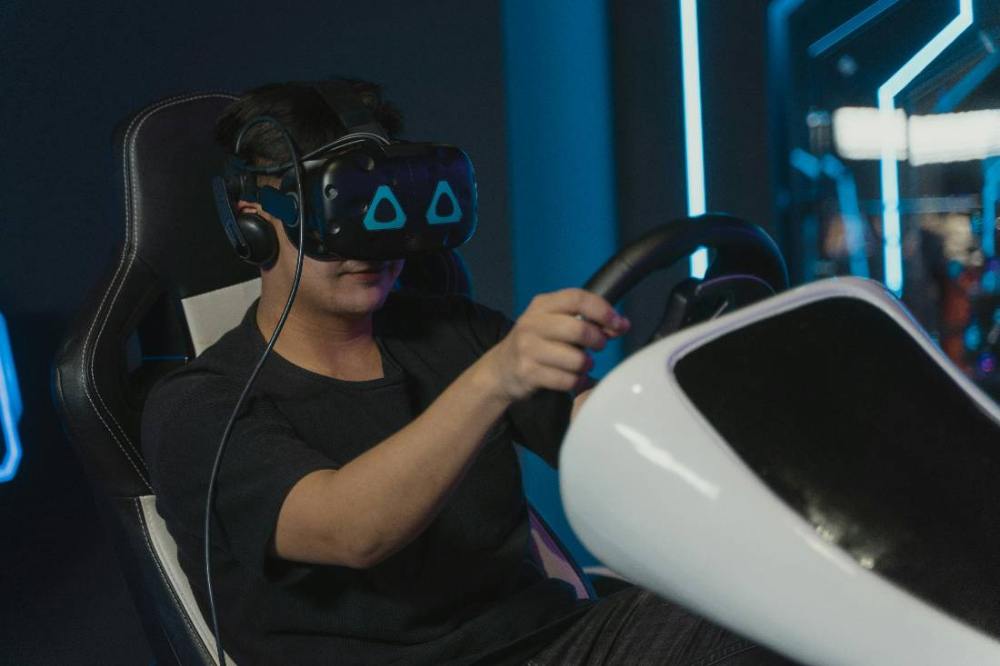
The Psychology of Presence: Why AR and VR Feel So Real
7 min read
09 Oct 2025
 By Lewis Adam
Welcome to the fascinating world of presence! In this article, we'll delve into the psychology behind why Augmented Reality (AR) and Virtual Reality (VR) feel so real to users, exploring the cognitive and perceptual mechanisms that contribute to the sense of immersion and presence in virtual environments.
Understanding Presence
Presence refers to the feeling of "being there" in a virtual environment as if you've truly stepped into another world. It's the sensation of immersion and engagement that makes AR and VR experiences feel so compelling and lifelike.
Sensory Immersion
AR and VR technologies create sensory immersion by stimulating multiple senses simultaneously. Through visual, auditory, and sometimes even tactile feedback, users are transported to virtual environments that engage their senses in a way that mimics real-world experiences.
Perceptual Realism
Perceptual realism plays a crucial role in creating a sense of presence in AR and VR. The more realistic the virtual environment looks, sounds, and feels, the more likely users are to perceive it as "real" and experience a strong sense of presence.
Embodied Cognition
Embodied cognition suggests that our perception of the world is influenced by our body's actions and sensations. In AR and VR, users often embody avatars or interact with virtual objects, which enhances their sense of presence by connecting their physical movements with their virtual experiences.
Social Presence
Social presence refers to the feeling of "being there" with others in a virtual space. Whether it's interacting with virtual characters or collaborating with real people in virtual environments, social presence enhances the sense of immersion and connection in AR and VR experiences.
Psychological Engagement
Psychological engagement occurs when users are mentally and emotionally invested in a virtual experience. Whether it's solving a puzzle, exploring a virtual world, or interacting with virtual characters, engagement enhances presence by capturing users' attention and curiosity.
Suspension of Disbelief
Suspension of disbelief is the willingness to temporarily accept the reality of a fictional world, despite knowing it's not real. In AR and VR, suspension of disbelief allows users to fully immerse themselves in virtual experiences and suspend their awareness of the physical world around them.
Presence and Immersion
Ultimately, presence and immersion are closely intertwined, with each reinforcing the other. The sense of presence draws users into virtual environments, while immersion enhances their sense of presence, creating a feedback loop that makes AR and VR experiences feel incredibly real and compelling.
Conclusion
In conclusion, the psychology of presence offers valuable insights into why AR and VR feel so real to users. By understanding the cognitive and perceptual mechanisms behind presence, we can design more immersive and engaging virtual experiences that captivate and delight users.
More Articles

Transform Your Business with Cutting-Edge Data Pipeline Strategies
4 min read | 10 Aug 2025

Data Mesh: The Game-Changer in Data Architecture
7 min read | 09 Aug 2025

Why Data Fabric is the Future of Data Management
5 min read | 08 Aug 2025

The Secret to Effective Data Governance Revealed!
7 min read | 07 Aug 2025
More Articles

The Secret Tech That Will Make Your Blockchain Transactions Lightning Fast – Find Out Now!
7 min read | 21 Oct 2025

Why Your Next Big Tech Investment Should Be in AR-Enhanced Blockchain Solutions!
6 min read | 20 Oct 2025

Is VR the Future of Blockchain? Discover the Unseen Link Between Virtual Worlds and Crypto!
5 min read | 19 Oct 2025

How Blockchain Could Make AI More Transparent and Trustworthy – Here’s How!
7 min read | 18 Oct 2025