
Virtual Reality Therapy: Healing Minds Through Immersion
7 min read
25 Oct 2025
 By Sayan Gosh
Introduction
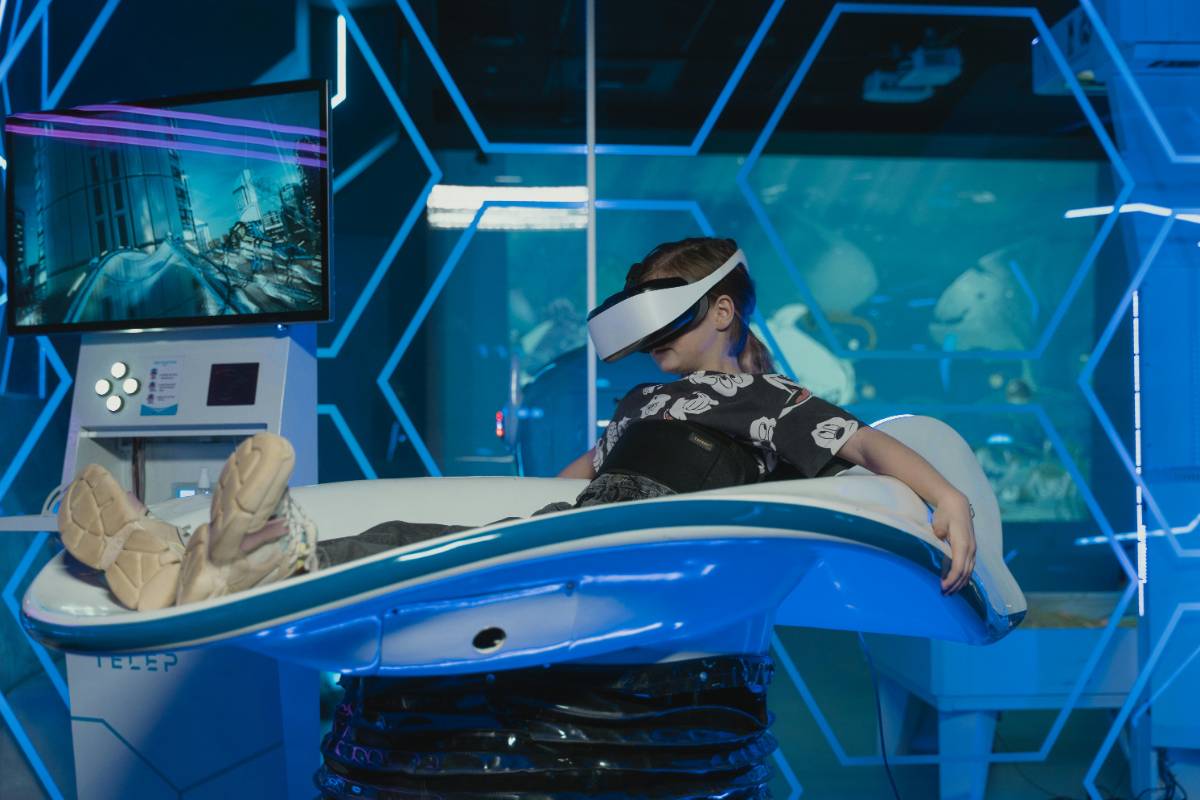
Virtual Reality Therapy (VRT) represents a groundbreaking paradigm in mental health treatment, leveraging immersive technology to create controlled, therapeutic environments that facilitate healing for conditions ranging from phobias to post-traumatic stress disorder. As a clinical psychologist and Director of the Immersive Therapeutics Research Center with over 12 years of specialized experience in VR-assisted treatments, I have witnessed the transformative power of this technology in helping patients overcome psychological barriers that traditional therapies sometimes struggle to address. VRT operates on the principle that immersive experiences can safely expose individuals to their fears, traumas, or challenges within a controlled setting, enabling them to develop coping mechanisms and process emotions in ways that translate meaningfully to real-world situations. The convergence of psychological science with cutting-edge technology is creating unprecedented opportunities for mental health professionals to deliver more effective, accessible, and engaging therapeutic interventions.
The Evolution of Virtual Reality in Mental Health
The therapeutic application of virtual reality has evolved significantly since its early experimental stages in the 1990s. Initially limited by technological constraints and high costs, VR systems have become increasingly sophisticated, affordable, and accessible. Early pioneers recognized that VR's ability to create presence—the psychological experience of "being there" in a virtual environment—could be harnessed for therapeutic purposes. Today's VR systems feature high-resolution displays, precise motion tracking, and realistic haptic feedback that create deeply immersive experiences. The field has progressed from simple exposure therapies for specific phobias to complex, multi-sensory environments for treating trauma, anxiety disorders, addiction, and even chronic pain. This evolution reflects both technological advancement and a growing evidence base supporting VR's efficacy across diverse clinical applications.
Mechanisms of Therapeutic Action
Virtual Reality Therapy operates through several key psychological mechanisms that facilitate healing. The concept of "presence" enables patients to emotionally engage with therapeutic content as if it were real, while maintaining cognitive awareness of their safety in the clinical setting. This creates an optimal therapeutic window where emotional arousal is sufficient for processing but not overwhelming. Neuroplasticity research suggests that repeated exposure to feared stimuli in VR can rewire neural pathways associated with fear responses. Additionally, VR enables "embodied cognition," allowing patients to experience different perspectives or practice new behaviors in simulated environments that transfer to real-world situations. The technology also facilitates precise control over therapeutic parameters, enabling clinicians to gradually increase exposure intensity based on individual patient progress and tolerance levels.
Core Therapeutic Mechanisms
- Controlled exposure to feared stimuli with adjustable intensity
- Safe emotional processing within contained environments
- Behavioral rehearsal and skill development through simulation
- Distraction and attention redirection for pain management
- Perspective-taking and embodiment experiences
- Real-time biofeedback integration for self-regulation
Applications in Anxiety and Phobia Treatment
Anxiety disorders and specific phobias represent the most established applications of Virtual Reality Therapy, with extensive research supporting its efficacy. For conditions like acrophobia (fear of heights), aviophobia (fear of flying), arachnophobia (fear of spiders), and social anxiety, VR provides graduated exposure that would be impractical, costly, or unsafe to replicate in real life. Patients can repeatedly confront feared situations—standing on virtual skyscrapers, flying in simulated airplanes, or navigating social gatherings—while learning anxiety management techniques. The controlled nature of these experiences allows therapists to pause, discuss, and adjust scenarios in real-time based on patient responses. Multiple meta-analyses have demonstrated that VR exposure therapy produces outcomes equivalent to in vivo exposure, with some studies showing superior retention and engagement rates due to the novelty and gamified aspects of the technology.
Trauma and PTSD Treatment Innovations
Virtual Reality Exposure Therapy (VRET) has revolutionized treatment for post-traumatic stress disorder, particularly for combat veterans and survivors of traumatic events. By recreating trauma-related scenarios with customizable elements—specific environments, sounds, even smells—therapists can guide patients through controlled memory processing and extinction learning. The Virtual Iraq/Afghanistan program, for instance, has helped thousands of veterans process combat trauma through gradual exposure to simulated deployment environments. What makes VR particularly powerful for trauma treatment is the ability to titrate exposure intensity precisely, reintroducing traumatic elements at a pace the patient can tolerate while building coping skills. This approach has shown remarkable success where traditional therapies have stalled, with studies reporting significant reductions in PTSD symptoms and improved quality of life measures.
Pain Management and Medical Applications
Beyond psychological disorders, VR therapy has demonstrated remarkable efficacy in pain management, serving as a non-pharmacological adjunct for acute and chronic pain conditions. The immersive nature of VR experiences creates competition for attentional resources, effectively reducing the brain's capacity to process pain signals. Burn victims undergoing wound care report 30-50% reductions in pain when immersed in snowy virtual landscapes during procedures. Patients with chronic pain conditions learn mindfulness and distraction techniques within engaging virtual environments that they can then apply in daily life. The technology is also being used for physical rehabilitation, stroke recovery, and cognitive training for neurological conditions, creating motivating environments that improve adherence to repetitive therapeutic exercises through gamification and immediate feedback.
Medical Applications
- Distraction therapy for procedural pain and burn care
- Motor rehabilitation following stroke or neurological injury
- Cognitive training for brain injury and neurodegenerative diseases
- Phantom limb pain management through mirror therapy
- Pre-surgical preparation and anxiety reduction
- Medical procedure desensitization for children with healthcare anxiety
Addiction and Substance Use Treatment
Virtual Reality is emerging as a powerful tool in addiction treatment by exposing individuals to drug-related cues within safe, therapeutic contexts. Patients navigate virtual environments containing substance triggers—such as virtual bars, parties, or drug paraphernalia—while practicing refusal skills and craving management techniques. What makes VR particularly valuable in addiction treatment is the ability to create high-risk scenarios that would be unethical or dangerous to recreate in real life. Therapists can monitor physiological responses like heart rate and skin conductance during exposure, providing immediate feedback and coaching. Research shows that VR-based cue exposure therapy can reduce cravings and improve treatment outcomes by strengthening inhibitory control and developing alternative coping strategies in realistically challenging situations.
Social Skills and Autism Spectrum Applications
For individuals with autism spectrum disorder or social anxiety, VR provides a safe platform for practicing social interactions and reading emotional cues. Customizable virtual scenarios allow users to rehearse conversations, job interviews, dating situations, or public speaking while receiving real-time feedback. The technology can highlight social cues that might otherwise be missed and provide opportunities for repeated practice without social consequences. Therapists can adjust variables like audience size, conversation complexity, or environmental distractions to match the individual's skill level and gradually build competence. Studies demonstrate that social skills acquired in virtual environments transfer effectively to real-world interactions, with participants showing improved social functioning, reduced anxiety, and increased confidence in social situations.
Children and Adolescent Mental Health
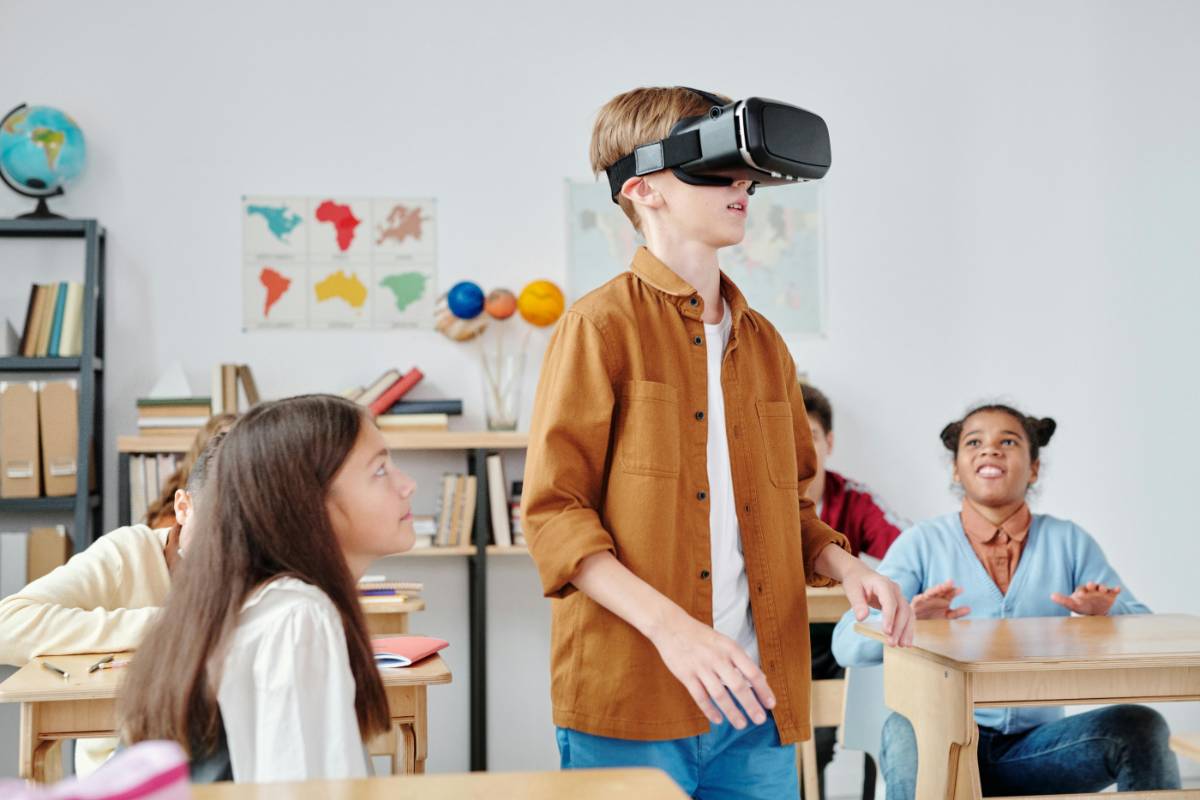
Younger populations particularly benefit from VR therapy's engaging, game-like nature, which reduces treatment resistance and improves adherence. Children with anxiety disorders, ADHD, or behavioral challenges respond well to VR interventions that teach emotional regulation, impulse control, and social skills through interactive stories and games. The technology's novelty helps maintain engagement through what might otherwise be challenging therapeutic work. For adolescents struggling with self-esteem, body image issues, or social isolation, VR experiences can provide perspective-taking opportunities and positive identity exploration. School-based VR programs are also emerging to teach coping skills, mindfulness, and emotional intelligence in formats that resonate with digital-native generations, potentially reducing stigma around mental health support.
Technological Requirements and Implementation
Implementing effective VR therapy requires careful consideration of technological infrastructure, clinical protocols, and practitioner training. Modern VR systems for therapeutic use typically include high-resolution headsets, motion controllers, biofeedback sensors, and specialized software platforms with customizable environments. The selection of appropriate hardware must balance immersion quality with comfort, especially for extended sessions. Clinical implementation requires structured protocols for assessment, treatment planning, progress monitoring, and integration with broader therapeutic approaches. Practitioners need specialized training not only in operating the technology but in adapting therapeutic techniques to virtual environments and managing potential side effects like cybersickness. Successful implementation also necessitates consideration of accessibility, cost-effectiveness, and ethical guidelines specific to digital therapeutics.
Efficacy and Evidence Base
The empirical foundation for Virtual Reality Therapy has expanded dramatically over the past decade, with hundreds of randomized controlled trials and meta-analyses supporting its efficacy across multiple conditions. For specific phobias, effect sizes typically range from large to very large compared to waitlist controls, with outcomes comparable to in vivo exposure. PTSD treatment studies consistently show significant symptom reduction, with some research indicating faster improvement compared to traditional therapies. Pain management applications demonstrate reliable reductions in pain ratings during medical procedures. The evidence base continues to grow as research expands to new applications and longer-term follow-up studies emerge. While VR therapy isn't a panacea, the cumulative evidence strongly supports its value as an evidence-based intervention, particularly when integrated within comprehensive treatment plans tailored to individual needs.
Ethical Considerations and Clinical Guidelines
The unique nature of VR therapy raises important ethical considerations that practitioners must navigate carefully. Privacy and data security are paramount, as VR systems collect detailed behavioral and physiological data. Informed consent processes must address potential side effects like cybersickness, emotional distress, and the novel aspects of digital treatment. The therapeutic relationship may be affected by technological mediation, requiring careful attention to maintaining connection and rapport. Professional competence standards are evolving to include both technical proficiency and understanding of how immersion affects therapeutic processes. Clinical guidelines increasingly emphasize the importance of proper assessment, treatment individualization, and integration with broader care rather than viewing VR as a standalone solution. These ethical frameworks ensure that technological advancement aligns with patient welfare and professional standards.
Key Ethical Considerations
- Privacy protection for sensitive behavioral and biometric data
- Appropriate patient selection and contraindication assessment
- Management of cybersickness and other physiological side effects
- Maintenance of therapeutic alliance despite technological mediation
- Cultural sensitivity in virtual environment design
- Accessibility and equitable access to advanced treatments
- Professional competency standards for VR-assisted therapy
Future Directions and Emerging Applications
The future of Virtual Reality Therapy points toward increasingly personalized, accessible, and sophisticated applications. Artificial intelligence integration will enable real-time adaptation of virtual environments based on physiological responses and behavioral cues. Haptic technology advancements will incorporate touch and temperature sensations, enhancing realism for exposure therapies. Mobile and standalone VR systems will increase accessibility beyond clinical settings, supporting continued practice and skill generalization. Emerging applications include VR for grief processing, existential distress in palliative care, couples therapy, and even positive psychology interventions that cultivate wellbeing rather than just treating pathology. As the technology becomes more affordable and evidence continues to accumulate, VR therapy has the potential to transform mental healthcare delivery, making effective interventions more engaging, accessible, and tailored to individual needs and preferences.
Conclusion
Virtual Reality Therapy represents a significant advancement in mental health treatment, offering unique advantages for conditions that have traditionally challenged therapeutic approaches. By creating controlled, immersive environments that facilitate emotional processing, behavioral rehearsal, and skill development, VR expands the therapeutic toolkit in powerful ways. However, it's crucial to recognize that VR is not a replacement for skilled clinical judgment or the therapeutic relationship, but rather an enhancement that, when appropriately integrated, can accelerate and deepen the healing process. As research continues and technology evolves, the potential for VR to make effective mental health treatment more engaging, accessible, and personalized is tremendous. The future of mental healthcare likely involves a thoughtful blend of technological innovation and human connection, with Virtual Reality Therapy playing an increasingly important role in healing minds through carefully crafted immersion.
FAQs
How effective is Virtual Reality Therapy compared to traditional therapy methods?
Virtual Reality Therapy has demonstrated comparable effectiveness to traditional evidence-based treatments for specific conditions, particularly anxiety disorders, phobias, and PTSD. Multiple meta-analyses show that VR exposure therapy produces outcomes equivalent to in vivo exposure for specific phobias, with some studies indicating faster improvement and better retention. For PTSD, research shows significant symptom reduction, with some programs reporting 66-80% of patients no longer meeting diagnostic criteria after treatment. However, effectiveness varies by condition, and VR is typically most effective when integrated within comprehensive treatment plans rather than as a standalone intervention. The therapeutic alliance and clinical expertise remain crucial factors regardless of the technological medium.
What equipment is needed for VR therapy, and is it accessible to most practices?
Basic VR therapy requires a VR headset (such as Oculus Quest, HTC Vive, or similar), appropriate therapeutic software, and a trained clinician. Costs have decreased significantly, with capable standalone systems available for $300-$1000, plus software subscriptions typically ranging from $50-$300 monthly depending on features. While initially expensive, the technology has become increasingly accessible to private practices, clinics, and even school settings. Many systems are now wireless and easy to set up, reducing technical barriers. However, implementation requires more than just equipment—clinicians need specialized training in both the technology and adapted therapeutic techniques to ensure effective, ethical delivery. Many training programs and certifications are emerging to support appropriate implementation.
Are there any side effects or risks associated with VR therapy?
The most common side effect is cybersickness, similar to motion sickness, which can include dizziness, nausea, and headache. These effects are typically temporary and can be minimized through proper equipment adjustment, shorter initial sessions, and technological improvements like higher refresh rates. Some patients may experience emotional distress during exposure exercises, though this is therapeutic when properly managed. Contraindications include certain neurological conditions (like epilepsy), severe balance disorders, and certain eye conditions. Ethical considerations around privacy, data security, and appropriate use require careful attention. Proper screening, gradual exposure, and clinical monitoring help manage risks effectively, making VR therapy generally safe when implemented by trained professionals.
Can VR therapy be used for children, and are there age restrictions?
VR therapy can be highly effective for children, particularly for anxiety, phobias, ADHD, and autism spectrum disorders. Most manufacturers recommend ages 13+ due to concerns about brain development and balance, but supervised clinical use with younger children is increasingly common with appropriate precautions. For children, sessions are typically shorter, content is adapted to developmental level, and parental involvement is often incorporated. The engaging, game-like nature of VR can reduce treatment resistance in children who might struggle with traditional talk therapy. However, careful assessment, developmentally appropriate content, and monitoring are essential. Many specialized VR programs now exist specifically for pediatric populations, addressing issues like medical procedure anxiety, social skills, and emotional regulation.
How does VR therapy work for conditions like depression or complex trauma?
For depression, VR therapy often focuses on behavioral activation, mindfulness, and perspective-shifting experiences. Patients might visit uplifting virtual environments when struggling with motivation, practice social interactions, or use embodiment exercises to strengthen self-compassion. For complex trauma, VR allows gradual, titrated exposure to trauma memories while building emotional regulation skills. The technology can create 'safe spaces' for grounding during distress and facilitate processing of fragmented memories. What makes VR particularly valuable for complex cases is the ability to carefully control exposure intensity and provide immediate coping tools. However, these applications require significant clinical expertise and are typically integrated with other therapeutic approaches rather than used in isolation.
Is VR therapy covered by insurance, and how does reimbursement work?
Insurance coverage for VR therapy is expanding but varies significantly by provider, region, and specific application. Many insurance companies cover VR therapy when billed under existing CPT codes for evidence-based therapies like exposure therapy. Some specific VR treatments (like certain PTSD protocols) have received specific reimbursement approvals. The landscape is rapidly evolving as evidence accumulates and procedural terminology adapts. Providers typically need to demonstrate medical necessity and use FDA-cleared or evidence-supported platforms when available. Patients should check with their insurance providers, and clinics often need to provide education about the evidence base and clinical appropriateness. As outcomes data continues to grow and healthcare systems recognize VR's cost-effectiveness for certain conditions, reimbursement is expected to expand.
What training do therapists need to provide VR-assisted treatment?
Therapists need both technical training in operating VR systems and clinical training in adapting therapeutic techniques to virtual environments. Basic requirements include proficiency with the specific hardware and software, understanding how immersion affects therapeutic processes, managing potential side effects, and integrating VR within broader treatment plans. Many professional organizations now offer VR therapy certifications, and training programs typically include both didactic and supervised practical components. Ethical competence requires understanding unique considerations around privacy, data security, and the therapeutic relationship in technologically mediated treatment. Ongoing training is important as technology evolves. Responsible implementation requires that clinicians maintain their foundational therapeutic skills while adding technological competence, rather than replacing clinical judgment with technology.
Can VR therapy be conducted remotely via teletherapy?
Remote VR therapy is an emerging application with significant potential, particularly for increasing access in underserved areas. Some systems allow therapists to view what patients see in VR and control environmental elements during teletherapy sessions. However, technical challenges include internet connectivity requirements, setup complexity for patients, and safety considerations when patients use immersive technology without direct supervision. The field is rapidly developing solutions for remote delivery, including simplified systems designed for home use with clinical oversight. While not yet widespread, remote VR therapy represents an important direction for increasing accessibility, particularly for mobility-limited patients or those in areas with limited specialist availability. Current best practices typically involve initial in-person sessions when possible before transitioning to remote delivery.
How long does a typical VR therapy session last, and how many sessions are usually needed?
VR therapy sessions typically last 45-90 minutes, including preparation, the immersive component, and processing afterward. The actual time in VR usually ranges from 20-45 minutes initially, gradually increasing as tolerance develops. Treatment length varies by condition and individual—specific phobias might require 5-8 sessions, while complex PTSD might involve 12-20 sessions or more. Many factors influence treatment duration, including symptom severity, individual response, and whether VR is used as a primary intervention or adjunct to other approaches. Progress is often faster than traditional exposure therapy for specific phobias due to the controlled, efficient nature of virtual exposure. Treatment planning should be individualized based on ongoing assessment of progress and therapeutic goals.
What does the research say about long-term outcomes from VR therapy?
Research on long-term outcomes is growing and generally positive. Studies following patients for 6-12 months post-treatment typically show maintained gains for anxiety disorders and PTSD. Some research suggests that the vivid, immersive nature of VR experiences may enhance memory consolidation and generalization of therapeutic learning. However, like all therapies, some individuals may require booster sessions or additional support over time, particularly for chronic conditions. The technology's relative newness means that very long-term data (5+ years) is limited, but existing evidence supports durable benefits when treatment is properly implemented. Ongoing research is examining factors that predict long-term success and how VR therapy compares to traditional approaches in maintaining gains over extended periods.
More Articles




More Articles

Convolutional Neural Networks (CNN): The Secret Behind AI Vision
6 min read | 16 Aug 2025

Artificial Neural Networks: The Technology That's Changing Everything
6 min read | 15 Aug 2025

Cognitive Computing: The Next Big Thing in AI?
6 min read | 14 Aug 2025

Intelligent Automation: How Robots Are Taking Over Mundane Tasks
4 min read | 13 Aug 2025