
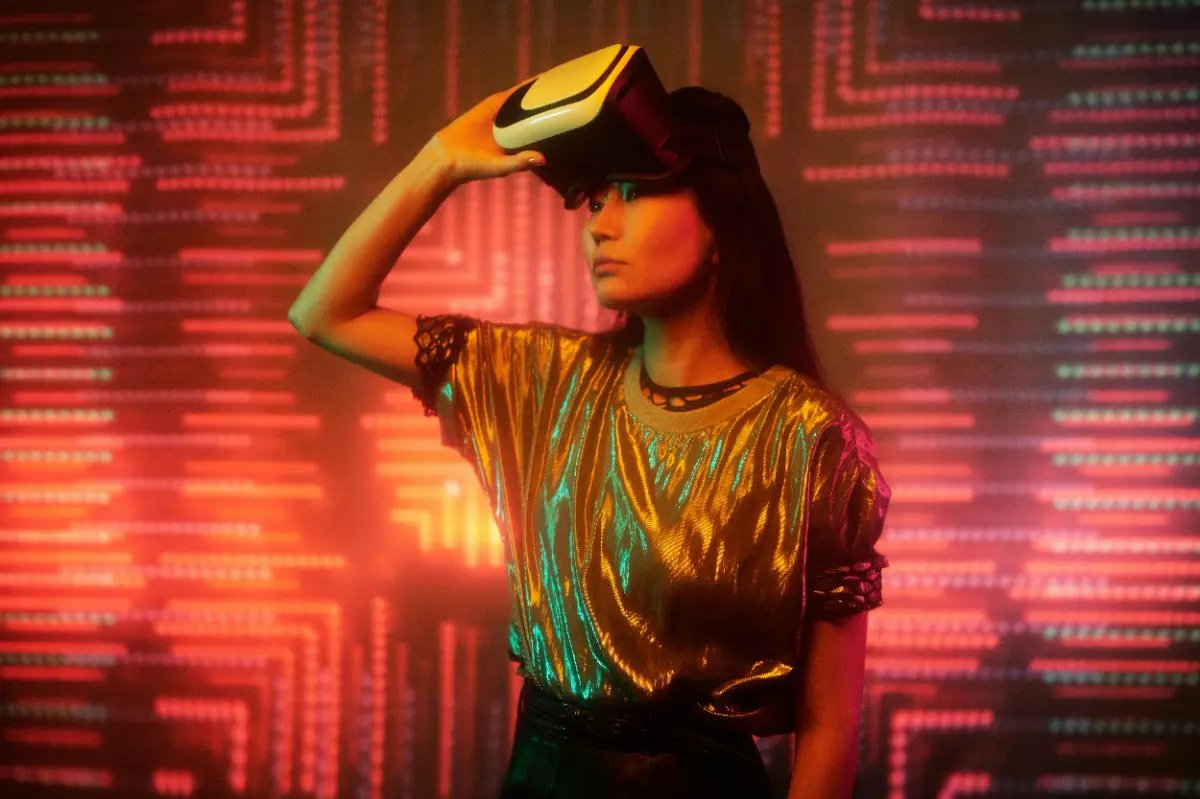
Virtual Reality Therapy: The Potential for Mental Health Treatment
2 min read
23 Sep 2025
 By Aditi Sharma
Virtual reality (VR) therapy is a groundbreaking approach to mental health treatment that leverages immersive technology to address a wide range of psychological disorders and symptoms. By creating realistic and interactive virtual environments, VR therapy offers unique therapeutic experiences that can complement traditional forms of therapy and provide new avenues for mental health care.
One of the key advantages of VR therapy is its ability to create controlled and customizable environments that simulate real-life situations. For individuals struggling with anxiety disorders, phobias, or post-traumatic stress disorder (PTSD), VR environments can provide a safe and gradual exposure to triggers, allowing them to confront and manage their fears in a controlled setting.
Moreover, VR therapy offers a level of immersion and engagement that traditional therapy methods may lack. By fully immersing patients in virtual environments, VR therapy can enhance the therapeutic process and increase emotional engagement, leading to more effective outcomes for patients.
Another benefit of VR therapy is its versatility in addressing a wide range of mental health issues. From anxiety and depression to PTSD and substance abuse disorders, VR therapy can be tailored to meet the specific needs of each individual, offering targeted interventions and support.
In addition to treating specific disorders, VR therapy can also be used for stress reduction and relaxation. By immersing patients in calming and serene virtual environments, VR therapy can help reduce stress levels, promote relaxation, and improve overall well-being.
Furthermore, VR therapy has the potential to overcome geographical and logistical barriers to mental health care. With VR technology, patients can access therapy sessions from the comfort of their own homes, eliminating the need for travel and making therapy more accessible and convenient for individuals with mobility issues or those living in remote areas.
From a clinical perspective, VR therapy offers therapists valuable insights into their patients' experiences and responses. By monitoring patients' reactions within virtual environments, therapists can gather data and adjust therapy sessions in real-time, ensuring that treatment remains effective and tailored to each individual's needs.
However, challenges remain, including the need for further research and validation of VR therapy techniques, the development of standardized protocols and guidelines, and concerns about the potential for over-reliance on technology in mental health care. Despite these challenges, the potential for VR therapy to revolutionize mental health treatment is significant, offering new hope and possibilities for individuals struggling with mental illness.
In conclusion, VR therapy represents a promising frontier in mental health treatment, offering immersive, engaging, and effective interventions for a wide range of psychological disorders and symptoms. As VR technology continues to evolve and become more accessible, the potential impact of VR therapy on mental health care is vast, promising new avenues for healing, growth, and recovery.
More Articles

Blockchain Beyond Cryptocurrency: Real-World Applications
2 min read | 02 May 2025

Smart Homes of Tomorrow: A Glimpse into the IoT Revolution
3 min read | 01 May 2025

5G Revolution: How Ultra-Fast Networks Are Changing Everything
5 min read | 30 Apr 2025

Eco-Friendly Gadgets: Innovations for a Greener Tech Lifestyle
3 min read | 29 Apr 2025
More Articles

The Rise of Voice Assistants: How AI-Powered Devices Are Reshaping Daily Life
7 min read | 14 Sep 2025

Augmented Reality: Beyond the Hype - Practical Applications and Future Prospects
5 min read | 13 Sep 2025

The Synergy of Tech World and Gaming: How Cutting-Edge Technology is Driving Gaming Forward
2 min read | 12 Sep 2025

AI in Gaming: Creating More Realistic and Immersive Virtual Worlds
3 min read | 11 Sep 2025