
Exploring Private Keys and Their Importance in Cryptocurrency Security
3 min read
15 Aug 2025
 By Aditi Sharma
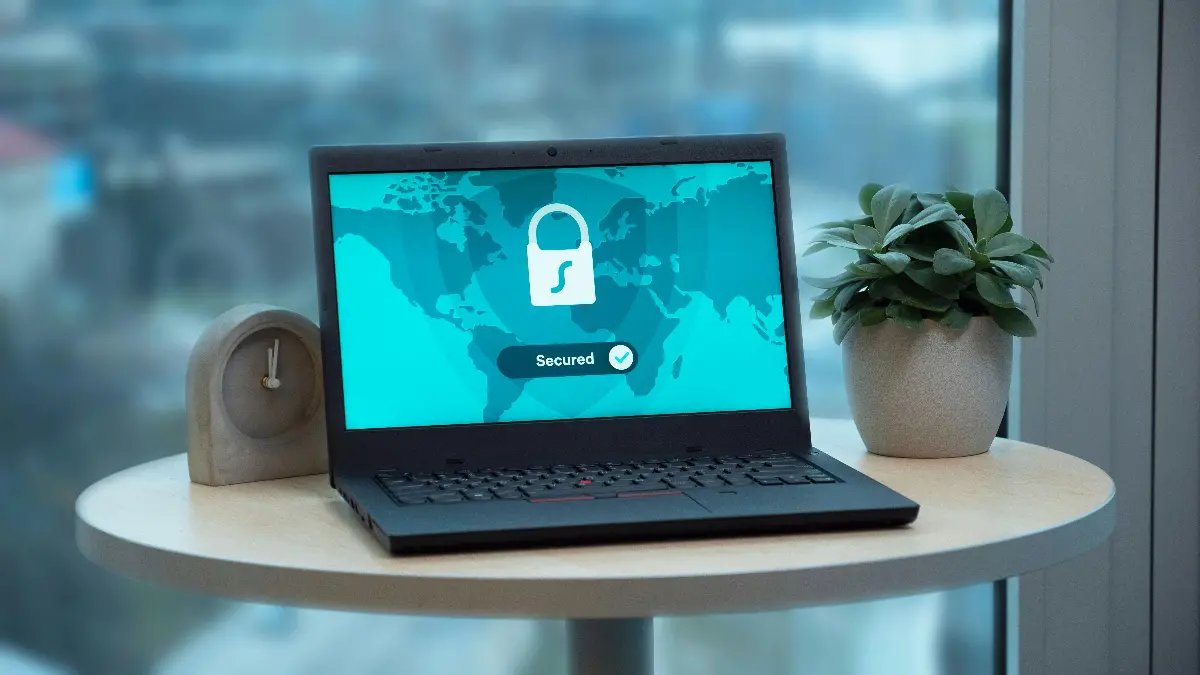
Private keys are fundamental to cryptocurrency security, serving as the gateway to access and control digital assets stored on blockchain networks. Unlike public keys used for transactions, private keys must be kept confidential and secure to prevent unauthorized access and potential loss of funds.
A private key is a randomly generated string of alphanumeric characters, typically 256 bits long, that acts as a digital signature for transactions. It mathematically links to a corresponding public key but should never be shared or exposed.
The importance of private keys lies in their role as the sole means to authorize cryptocurrency transactions. Ownership and control of digital assets are tied directly to the possession and management of private keys. Losing or compromising a private key can result in irreversible loss of funds, as there is no centralized authority to recover or reset access.
Best practices for managing private keys include storing them securely offline in hardware wallets or encrypted digital vaults. Hardware wallets, such as Ledger or Trezor, offer enhanced security by keeping private keys isolated from internet-connected devices, reducing the risk of hacking or malware attacks.
Backup strategies are crucial to safeguard against loss or damage of private keys. Users should create encrypted backups stored in multiple secure locations, such as USB drives or paper wallets. It's essential to regularly update backups and test restoration procedures to ensure accessibility.
Cryptocurrency exchanges and online wallets also manage private keys on behalf of users, offering convenience but potentially exposing funds to security risks. Trustworthy platforms implement robust security measures, such as multi-signature authentication and cold storage, to protect user assets.
In summary, private keys are pivotal to cryptocurrency security, providing ownership and control over digital assets. Understanding their significance and implementing stringent security practices are essential for safeguarding funds and mitigating risks associated with digital asset management.
More Articles

Revolutionizing Retail: AR and VR Experiences in Shopping
3 min read | 25 Sep 2025

The Art of Immersion: AR and VR in Creative Industries
4 min read | 24 Sep 2025

Virtual Reality Therapy: The Potential for Mental Health Treatment
2 min read | 23 Sep 2025

AR and VR in Sports: Enhancing Performance and Fan Engagement
4 min read | 22 Sep 2025
More Articles

AI in Marketing: Personalization and Customer Engagement
8 min read | 13 Aug 2025

AI and Education: Revolutionizing Learning Environments
5 min read | 12 Aug 2025

Machine Learning in Finance: Predictive Analytics and Risk Management
8 min read | 11 Aug 2025

The Future of AI: Trends and Predictions
6 min read | 10 Aug 2025